
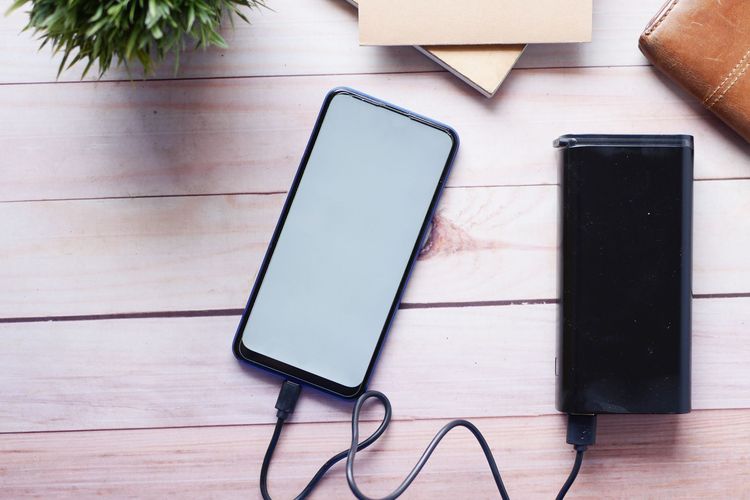
Battery reviews should separate marketing charge speeds from sustainable daily use.
How to Choose a Power Bank Without Overbuying Capacity
A power bank seems easy to buy until the product page turns into a wall of numbers. Capacity, wattage, ports, fast charging, pass-through charging, airline rules, cable types, and brand claims all compete for attention. The safest way to choose is to start with your actual day, not the biggest number on the box.
This guide is for ordinary phone and tablet users. It does not replace manufacturer safety instructions, airline rules, or electrical advice. Tech Mobile Review has related guides on phone charging routines and battery settings. Here, the focus is buying a portable charger that fits your life without becoming an expensive brick in a drawer.
Start with the problem you need to solve
Name the situation first. Do you need a small emergency top-up for commuting, a full recharge during a long school day, backup power for travel, or enough output for a tablet and phone together? Each problem points to a different size. Buying the largest power bank because it feels safer can backfire if it is too heavy to carry.
A pocket-sized bank may be enough for a person who reaches home every evening. A larger unit may make sense for travel, field work, camping, or long events where outlets are scarce. The right size is the one you will actually bring when your phone is low.
Understand capacity without trusting the headline number
Power banks are often sold by milliamp-hours, such as 5,000 mAh, 10,000 mAh, or 20,000 mAh. Those numbers are useful for comparison, but they do not translate perfectly into phone recharges. Energy is lost during voltage conversion and charging heat. Your phone case, cable, battery age, and screen use also affect the result.
A practical expectation is better than a perfect formula. A small bank may provide a partial to near-full phone charge. A medium bank may cover one or two phone charges for many users. A large bank may handle multiple devices but adds weight. Check independent reviews when possible, but compare how they tested, not only the final rating.
Match wattage to your device
Capacity says how much energy the bank stores. Wattage says how quickly it can deliver power. A large bank with low output may charge a modern phone slowly. A bank that supports higher output may be useful for tablets or some laptops, but only if your device and cable support the same standard.
Look at your phone or tablet’s charging support, then choose a power bank with a compatible output. Do not pay extra for speed your device cannot use. If you carry more than one device, check whether the bank can deliver enough power when two ports are used at the same time. Some products reduce output when multiple ports are active.
Ports and cables decide daily convenience
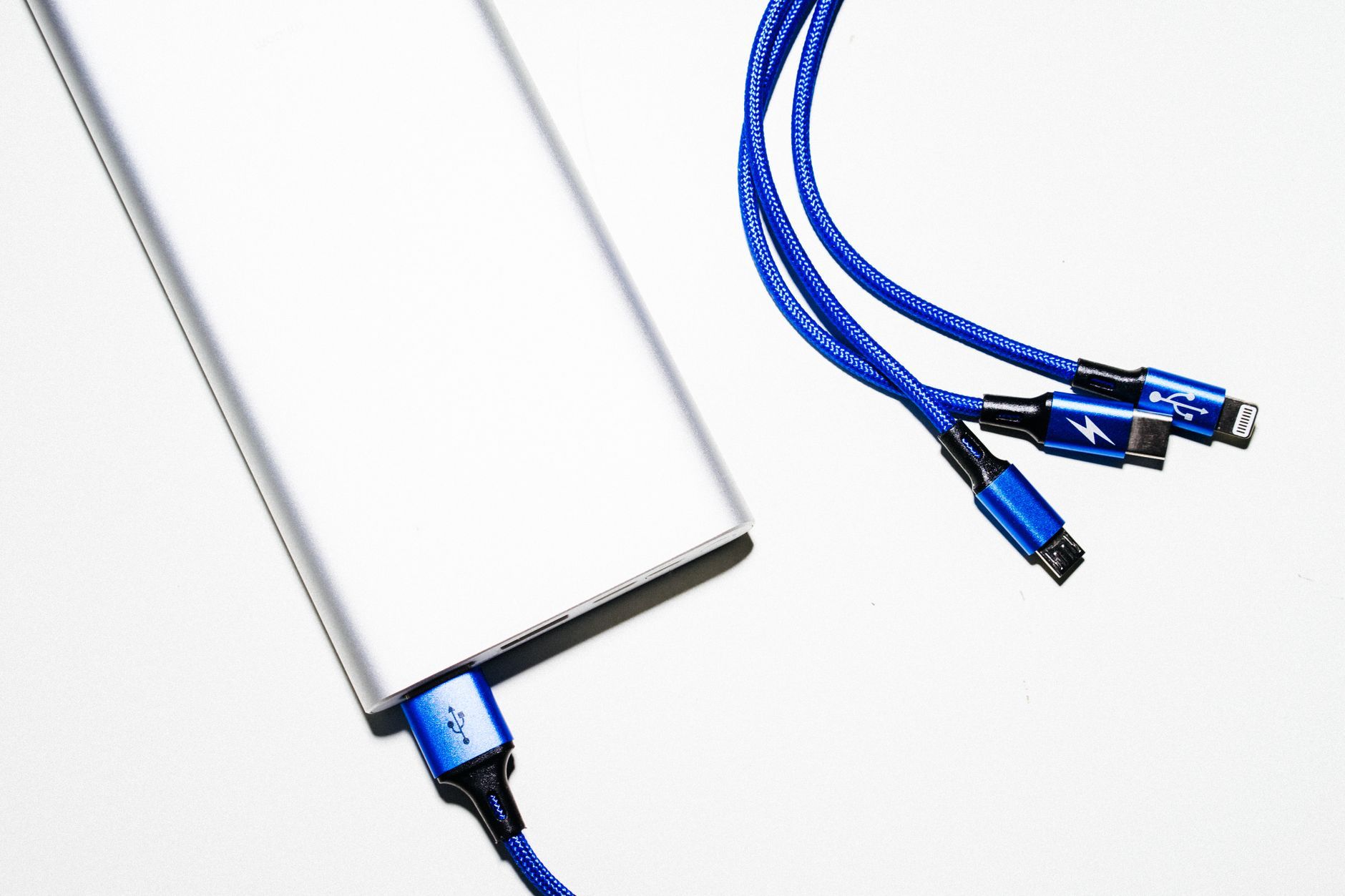
A power bank can have the right capacity and still annoy you if the ports do not match your cables. Check whether it charges by USB-C, micro-USB, or another connector. Check whether the USB-C port is input only, output only, or both. A clear port layout matters when you are tired, traveling, or helping someone else charge.
Cable quality is not decoration. A weak or charge-only cable may slow charging or fail with certain devices. Keep one short, reliable cable with the bank. If the cable has frayed insulation, bent tips, or unusual heat during use, replace it. A portable charger is only as useful as the cable that connects it.
Think about weight before you think about emergencies
Emergency imagination pushes people toward oversized gear. Daily behavior pushes back. A heavy power bank may stay home because it makes a bag uncomfortable. Weigh the device if you can, or compare it to something you already carry. For everyday use, comfort often beats extra reserve.
If two people share a bag, a larger bank may make sense. If the bank is for a child, older adult, or commuter with a small bag, choose something simpler and lighter. The best capacity is not the largest capacity. It is enough capacity in a size that follows you out the door.
Safety labels and travel rules are part of the purchase
Buy from a seller that provides clear specifications, safety markings, and return options. Avoid damaged, swollen, unusually hot, or no-name batteries with vague labels. Do not leave charging batteries under pillows, in hot cars, or in direct sun. Follow the manufacturer’s instructions for charging and storage.
If you fly, check current airline and government rules before packing a power bank. Many rules depend on watt-hours and carry-on placement, and policies can change. The Transportation Security Administration’s travel guidance starts at tsa.gov, but your airline’s rule is also important.
Decide whether extra features matter
Built-in cables are convenient but can become a weak point if the cable breaks. Wireless charging is tidy but may be slower and less efficient. A display can show remaining charge more clearly than four tiny lights, but it is not necessary. Pass-through charging can be useful, but check whether the manufacturer supports it safely for your model.
Solar panels on small power banks are often less useful than buyers expect. They may help slowly in bright conditions, but they should not be treated as a reliable main charging plan. If outdoor power is the goal, research dedicated outdoor charging setups rather than trusting a tiny panel glued to a battery.
Built-in flashlights are similar. They can help find a cable in a bag, but they are not the reason to choose a battery. Extra screens, lights, and novelty features can make the product look more capable while adding little to the one job that matters: safe, reliable charging for the devices you carry.
A right-sized buying worksheet
Write down four lines before buying. First, the device or devices you need to charge. Second, the longest time you usually go without an outlet. Third, the bag or pocket where the bank must fit. Fourth, whether you need fast charging or only emergency power. Those lines cut through most marketing copy.
Then compare three models with similar capacity instead of jumping across sizes. Check output, ports, weight, warranty, and reviews that mention heat or charging reliability. If a product hides basic specifications, skip it. Clear information is part of the product.
When not to buy a power bank yet
If your phone dies quickly even with light use, the problem may be battery health, not lack of portable power. Check battery settings and background activity first. If the phone overheats, shuts down suddenly, or has a swollen battery, stop using it and seek professional service. A power bank should not become a workaround for a failing or unsafe device.
Also wait if you do not yet know your cable standard. Buying a bank with the wrong ports often leads to adapters, slow charging, and a messier bag. Spend five minutes checking your current charger labels and device specs. That small pause can prevent a purchase that technically works but annoys you every day.
For many users, the best purchase is modest: a reliable mid-sized bank, one good cable, and a routine of charging it after use. That beats a huge unit that is always empty because nobody remembers to recharge it.
Power and travel sources
- Transportation Security Administration: What Can I Bring?
- Federal Trade Commission: Shopping and product advice
- Tech Mobile Review: Phone charging routine without obsessing over percentages