
Buying guides should make tradeoffs visible before a reader compares prices.
What to Check Before Buying a Refurbished Phone
A refurbished phone can be a smart purchase, but the word refurbished does not mean the same thing everywhere. It may describe a carefully tested device with a warranty, a returned phone with minor cosmetic marks, a repaired phone with replacement parts, or a used phone cleaned for resale. The value depends on the details.
This is general consumer technology guidance, not legal or financial advice. Return rights, warranties, and repair rules vary by country, seller, and marketplace. Check current seller terms and local consumer protections before buying. For repairability context, organizations such as <a href=“https://www.ifixit.com/Right-to-Repair”>iFixit’s Right to Repair resources</a> explain why parts, manuals, and service access matter.
First define acceptable condition
Cosmetic grades can be confusing. “Excellent,” “good,” “very good,” and “grade B” are not universal standards. Read the seller’s condition definitions and look for photos of the actual device when possible. A scratch on the frame may not matter. A deep screen mark, damaged camera glass, weak speaker, or unreliable charging port matters more.
Decide what you can tolerate before shopping. If the phone will go into a rugged case, frame marks may be acceptable. If you read outdoors, screen quality matters. If you rely on mobile payments, wireless charging, or eSIM, those has must be tested or clearly guaranteed.
Battery health is not a footnote
Battery condition is one of the biggest differences between a bargain and a disappointment. Ask whether the battery is original, replaced, tested, and above a stated capacity threshold. For iPhone users, Apple explains battery health and performance management in its support material: <a href=“https://support.apple.com/en-us/HT208387”>iPhone battery and performance</a>. Android brands vary, but Google also provides general guidance on <a href=“https://support.google.com/android/answer/7664692”>getting the most life from an Android battery</a>.
A low battery-health phone may still work, but it should be priced accordingly. Replacement cost, water resistance after repair, parts quality, and warranty coverage all affect the real price. A cheap refurbished phone plus immediate battery replacement may not be cheaper than a better-grade device.
Software support sets the lifespan
Check how many operating system and security updates the model is likely to receive. A phone can look physically perfect and still be a poor buy if it is near the end of software support. Security updates matter for banking, messaging, work accounts, and app compatibility.
Look up the exact model, not just the product family. Regional variants can differ in bands, storage, SIM support, or update timing. If the seller lists only a vague name, ask for the model number. A refurbished purchase should reduce uncertainty, not add mystery.
Check locks, networks, and ownership status
A phone should be free of activation locks, carrier locks you did not agree to, unpaid-device restrictions, and mobile-device-management profiles from a previous organization. These issues can turn a good-looking phone into a blocked device. Reputable sellers should state their checks clearly and offer returns if a lock appears.
Also check network compatibility. A phone that worked in one country or on one carrier may not support all bands you need. This matters for rural coverage, 5G, travel, and resale value. Match the model number with carrier or manufacturer compatibility resources before paying.
Inspect the repair story
Refurbishment may include screen replacement, battery replacement, housing repair, camera repair, or no part replacement at all. Replacement parts can be original, aftermarket, used genuine, or refurbished. The practical question is not only “was it repaired?” but “who repaired it, with what parts, and what is guaranteed now?”
Water resistance is especially tricky. A phone originally advertised as water resistant may lose some protection after repair or age. Treat refurbished water resistance cautiously unless the seller provides a clear tested guarantee. Even then, water damage is often excluded from warranties.
Returns and warranty beat small discounts
A strong return window is worth money. Some issues appear only after a few days: weak microphone, intermittent charging, poor battery life, overheating, bad vibration motor, speaker distortion, camera dust, or random restarts. A seller with a clear return process is safer than a slightly cheaper listing with vague terms.
Read who pays return shipping, how refunds are issued, whether opened accessories matter, and whether warranty service means repair, replacement, or store credit. Save screenshots of the listing and condition claims until the return window closes.
First-day test routine
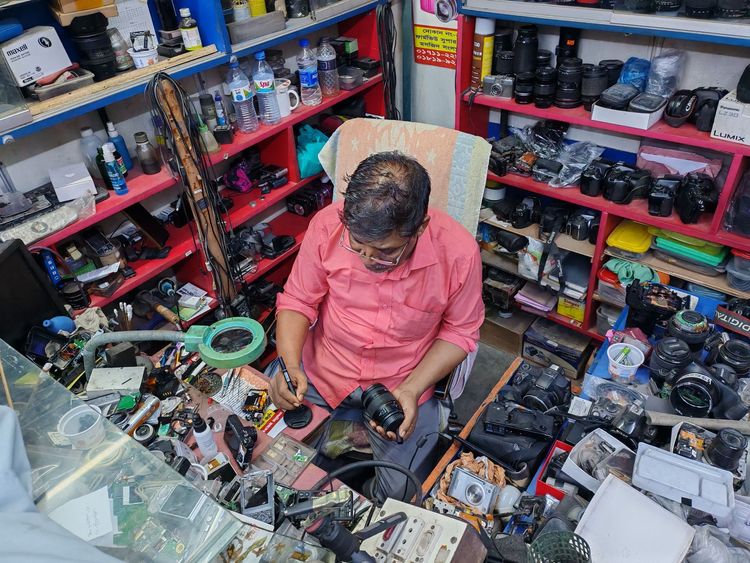
When the phone arrives, record an explain video if buying from a marketplace. Check the IMEI or serial status through appropriate official or carrier channels. Update the phone, test Wi-Fi, cellular, Bluetooth, GPS, speakers, microphones, cameras, flashlight, charging, wireless charging if present, biometrics, buttons, vibration, screen touch, and mobile payments if you use them.
Run a normal day before transferring everything permanently. Make a call. Take photos. Use maps. Stream audio. Charge it. Leave it idle overnight and note battery drain. This ordinary-use test catches problems that spec sheets miss.
Accessories and storage are part of value
A refurbished phone may arrive without a charger, cable, case, SIM tool, or original box. That may be fine, but include replacement accessories in the total cost. Also check storage carefully. A lower-storage model can become frustrating if you record video, store offline maps, keep many apps, or avoid cloud subscriptions.
Do not assume expandable storage exists. Many modern phones do not support microSD cards. Cloud storage may help photos but not every app or offline file. The cheapest storage option is not always the cheapest long-term choice.
A realistic buying rule
Buy refurbished when the seller reduces uncertainty: clear grading, tested battery, known model number, clean lock status, useful warranty, realistic return policy, and transparent repair details. Avoid listings that rely on vague words, tiny photos, pressure timers, or unusually low prices without explanation.
A refurbished phone is not automatically risky, and a new phone is not automatically better value. The difference is evidence. If the listing answers the questions that matter, the deal can be strong. If it asks you to trust a label without details, keep looking.
Compare refurbished against new mid-range options
A refurbished flagship is not the only value path. A new mid-range phone may offer a fresh battery, full warranty, longer update runway, and fewer unknowns, while the refurbished flagship may offer a better camera, display, build, or processor. Compare the whole package, not just the original launch price.
Make a simple table with five rows: battery, camera, updates, warranty, and total cost after accessories. If the refurbished phone wins only on prestige, the deal may be weaker than it feels. If it wins on the has you actually use and comes from a strong seller, it may be a better buy than a new budget model.
Beware marketplace pressure signals
Scarcity messages, countdown timers, “almost gone” labels, and unusually large discounts can push rushed decisions. Refurbished inventory does change, but pressure should not replace evidence. If a listing does not clearly state battery threshold, return terms, model number, and lock status, a timer should make you slower, not faster.
Use screenshots to preserve the claims you relied on. If the condition grade, warranty, or included accessories later become disputed, clear records help. Good sellers usually make this unnecessary, but careful documentation is part of buying used or refurbished equipment responsibly.
After purchase, protect the return window
Do not spend the return window only customizing wallpapers and moving apps. Use it as a structured test period. Keep packaging until you know the phone works. Avoid selling or wiping your previous phone until calls, messages, authentication apps, banking, photos, and backups are stable on the replacement.
If a defect appears, report it quickly and clearly. Include the order number, model, problem, test steps, and photos or video when relevant. A concise defect report is easier for a seller to process than a frustrated paragraph with no evidence.